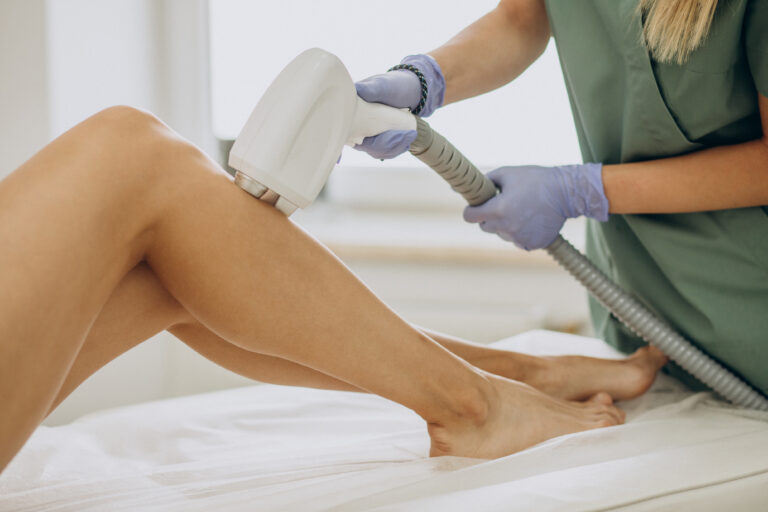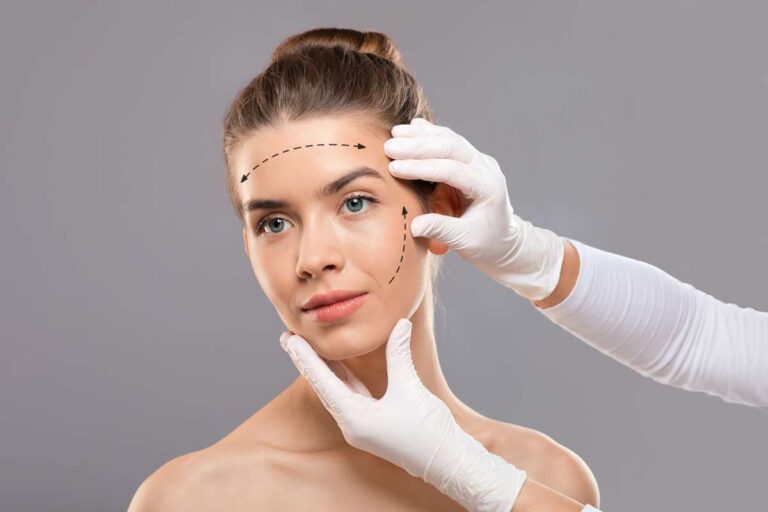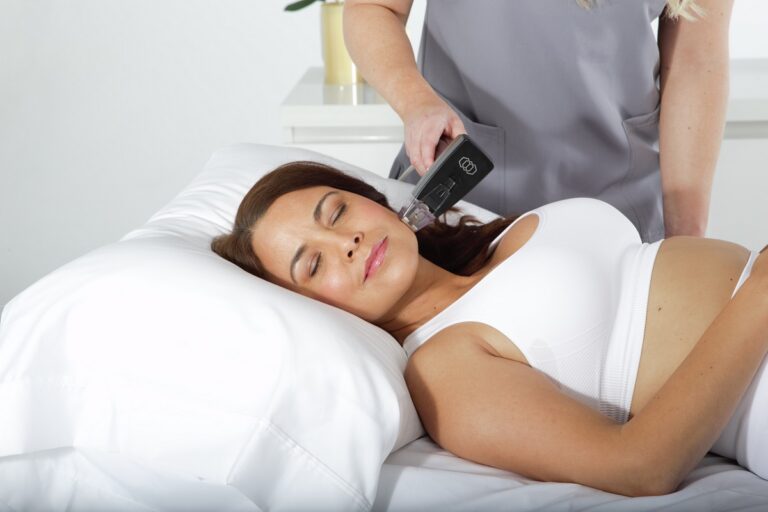

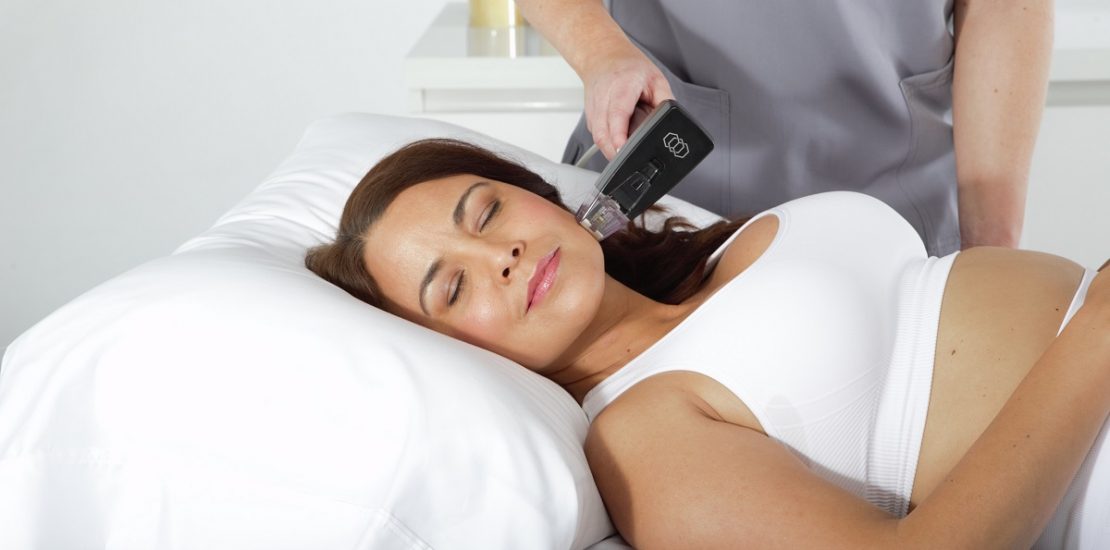
Morpheus8 is a type of microneedling that adds radiofrequency (RF) heat beneath the skin. Traditional microneedling uses tiny needles without RF energy. Both can improve the appearance of acne scars, fine lines, and uneven texture over time, but Morpheus8 may be a better fit when mild skin laxity is also a concern. The best choice depends on your skin, your goals, and the risks you are comfortable taking. Neither treatment replaces surgery for significant sagging.
If you have been comparing Morpheus8 vs. microneedling, the names can make them sound like entirely separate procedures. They are related: both use controlled needle passes to trigger a healing response. The difference is what happens after the needles enter the skin. Morpheus8 delivers RF energy through them, adding heat to the treatment. That extra step changes the potential benefits, the planning involved, and the risks worth discussing with a provider.
What Is Traditional Microneedling?
Traditional microneedling, sometimes called collagen induction therapy, uses a device with very fine needles to create controlled punctures in the skin. As the skin heals, it produces new collagen. Over a series of treatments, this can make certain acne scars, fine lines, and uneven texture less noticeable.
The treatment does not use radiofrequency energy. Needle depth, the area being treated, and your skin’s response all affect the outcome. It is also different from a home roller: professional treatments can reach the skin in ways at-home products should not, and puncturing the skin without proper training or sanitation raises the risk of infection and scarring.
Traditional microneedling is often considered when texture and scarring are the main concerns, particularly if tightening is not a priority. It cannot erase every type of scar, and deep or tethered scars may need a different or combined approach.
What Is Morpheus8?
Morpheus8 is an RF microneedling device. Its needles enter the skin and deliver controlled radiofrequency energy, which produces heat in tissue below the surface. The treatment aims to stimulate remodeling in the treated area and can address texture and some degree of mild laxity. Settings and treatment depth should be chosen for the patient’s anatomy and goals; more heat or greater depth is not automatically better.
Atossa Medical Spa offers Morpheus8 RF microneedling in San Diego at its La Jolla and La Mesa locations. Its treatment page describes an initial consultation with Dr. Fatemeh Esfahani, topical numbing before treatment, and an appointment that typically takes 30 to 60 minutes. Your individual plan may differ according to the area treated.
Is Morpheus8 the Same as RF Microneedling?
Morpheus8 is a brand of RF microneedling device, not a third treatment category. Other devices can also perform RF microneedling, but they are not necessarily identical in their design, settings, or authorized uses. So the search phrase “RF microneedling vs. Morpheus8” is best answered by comparing a category with one device within it. If a clinic advertises RF microneedling, ask which device it uses and who performs the procedure.
Microneedling vs. Morpheus8: The Differences at a Glance
| Consideration | Traditional microneedling | Morpheus8 RF microneedling |
| How it works | Needles create controlled punctures. | Needles create punctures and deliver RF heat into tissue. |
| Main reason to consider it | Acne scars, rough texture, and fine lines. | Texture or scars alongside mild skin laxity. |
| Skin tightening | Some improvement in skin quality may occur, but tightening is not its principal advantage. | RF heating may provide a greater tightening effect for suitable patients; results vary. |
| Recovery | Redness, sensitivity, and sometimes dryness or peeling for several days. | Redness, swelling, tenderness, or a rough feel can occur; recovery depends on settings and individual response. |
| Treatment plan | Often requires a series. | May also require a series; the number of sessions is individualized. |
| Cost | Often costs less per session. | Typically costs more per session because of the RF device and treatment complexity; compare the full proposed course. |
| Distinctive risk | Infection, discoloration, scarring, or a flare of an existing skin condition. | Includes needle-related risks plus possible heat-related injury, including burns and unwanted fat loss. |
The table describes general differences, not a guarantee that one procedure will work better for every person. Your scar type, baseline skin laxity, skin tone, medical history, and the provider’s technique matter as much as the treatment name.
Which Treatment Is Better for Acne Scars?
Both traditional microneedling and Morpheus8 may improve certain acne scars, especially depressed scars related to collagen loss. RF can be useful when a provider also wants to address mild laxity or considers added heat appropriate for the scar pattern. The choice is less straightforward when scars are deep, sharply edged, or tethered beneath the skin.
Different scars need different plans. Rolling scars may benefit from approaches that release the tissue pulling them down; ice-pick scars may need targeted procedures. If you still have active, inflamed acne, that may need attention before a needling procedure. A consultation should identify the type of scarring rather than treating all post-acne marks alike. Brown or red marks left after acne are pigment or vascular changes, not necessarily scars, and may call for a different treatment.
For some patients, a clinician may discuss combining treatments. Atossa also offers chemical peels, which can be considered for certain surface and tone concerns. A peel is not a direct substitute for treating deeper scar structure, and combining procedures needs an individualized schedule.
Which Is Better for Skin Tightening and Wrinkles?
Morpheus8 is generally the more relevant option when mild skin laxity is the main reason for considering needling, because it adds controlled heat to the needle treatment. It may help improve the appearance of early looseness and fine lines in suitable patients. Traditional microneedling can improve texture and the look of some fine lines, but it is less specifically aimed at tightening.
The distinction matters if you are concerned about jowls or a loose neck. Neither procedure reliably lifts substantially sagging skin or recreates lost facial volume. Treatments that soften expression lines or replace volume solve different problems. For example, Atossa’s dermal fillers address selected volume concerns; they do not work like microneedling. A good assessment separates texture, laxity, movement-related wrinkles, and volume loss before recommending a treatment.
Does Morpheus8 Work Better for Large Pores and Uneven Texture?
Both treatments may make skin look smoother and pores less noticeable as texture improves. Pores do not permanently close, and results depend on the cause of their appearance. For someone whose main complaint is rough texture without loose skin, conventional microneedling may be worth discussing. If texture comes with mild laxity, RF microneedling may be worth considering.
Morpheus8 is not automatically the better choice because it has more technology. Extra heat introduces another variable, and the most appropriate treatment is the one that addresses your concern with an acceptable risk profile.
What Do the Treatments Feel Like, and How Long Is Recovery?
A clinician commonly uses topical numbing before either procedure. During traditional microneedling, you may feel pressure, scratching, or vibration. RF microneedling can also cause a warm or prickling sensation when energy is delivered. Comfort varies by treatment area, settings, numbing, and personal sensitivity. It is reasonable to discuss pain management before booking.
After traditional microneedling, skin may feel warm and look red or, on deeper skin tones, temporarily darker. Mild swelling, tightness, dryness, or flaking can occur. These effects often settle over several days, although some people take longer. Atossa says patients having Morpheus8 commonly experience mild redness for one to three days and often resume usual activities within 24 to 48 hours; that is its typical expectation, not a promise for every patient. More noticeable swelling or sensitivity can occur.
Plan around a possible recovery window if you have an event, photographs, or substantial sun exposure coming up. Do not assume that “minimal downtime” means your skin will look unchanged the next morning.
Aftercare: What Matters Most?
Follow the instructions from the clinician who performed your treatment. In general, aftercare focuses on gentle cleansing, keeping the skin comfortable, avoiding irritation, and protecting it from the sun. Your provider should tell you when to restart retinoids, acids, exfoliants, workouts, and makeup based on the exact procedure and your skin. Do not apply makeup or active products sooner simply because the surface looks healed. The American Academy of Dermatology advises waiting 24 hours before makeup after traditional microneedling; RF instructions may differ.
How Many Sessions Do You Need, and When Will You See Results?
Both procedures work through a healing and remodeling process, so results appear gradually. Some people see an early improvement in texture within weeks, but changes related to new collagen can take several months to become clearer. A series may be recommended for acne scars or more noticeable concerns, while the spacing and number of sessions depend on the treatment plan.
Avoid comparing a single session of one procedure with a completed series of the other. Ask what improvement is realistic for your specific concern, how many appointments the estimate includes, when to reassess progress, and whether maintenance may be needed. Neither treatment stops natural aging, and neither can guarantee a particular percentage of improvement.
Is Morpheus8 Safer or Riskier Than Regular Microneedling?
Both are procedures that break the skin and require proper training, hygiene, and patient selection. Traditional microneedling can cause infection, scarring, pigmentation changes, or cold sore reactivation. RF microneedling adds a source of heat and therefore additional considerations about energy, depth, and the tissue being treated.
In an October 2025 safety communication, the FDA reported serious complications with certain uses of RF microneedling devices, including burns, scarring, fat loss, disfigurement, and nerve damage. These are reported possibilities, not the expected outcome for every patient. The FDA advises choosing a licensed provider trained and experienced with RF microneedling and discussing the benefits and risks beforehand.
The possibility of unwanted fat loss is especially relevant when treating a face that already looks hollow or has little subcutaneous volume. Tell your provider if you want to preserve facial fullness. The device, settings, treatment depth, and areas selected should reflect that goal. “FDA-cleared” refers to a device’s marketing authorization for specified uses; it does not mean a treatment is risk-free.
Who Should Delay Treatment or Ask for a Medical Review First?
Disclose pregnancy or breastfeeding, recent tanning or sunburn, active infection or cold sores, inflamed acne, poor healing, a history of keloid scarring, immune suppression, bleeding conditions, blood-thinning medications, and recent or current isotretinoin use. These factors can affect whether, when, and how treatment is appropriate. Do not stop a prescribed medicine on your own to qualify for a cosmetic procedure.
If you have darker skin or a history of post-inflammatory hyperpigmentation, ask how your provider will assess and reduce the risk of pigment changes. Neither treatment should be treated as automatically unsafe for darker skin, but the plan should be tailored to your skin and the device used. If you develop severe pain, blistering, spreading redness, or another unexpected symptom after treatment, contact a licensed healthcare professional promptly.
How Much Does Morpheus8 Cost Compared With Microneedling?
Morpheus8 generally costs more per session than traditional microneedling, but a useful comparison looks beyond the single-session price. The total depends on the treatment area, the provider, your location, and the number of visits recommended. Package prices can change, so an online estimate may not match the plan created for you.
Ask for a written explanation of the recommended number of sessions, what each appointment includes, the full estimated cost, and any follow-up or maintenance fees. If a less expensive treatment cannot address the main issue you want to improve, its lower session price may not make it the better value.
How to Choose Between Morpheus8 and Microneedling
Start with the concern you can see in the mirror, then have a provider identify what is causing it:
- Mostly acne scars or rough texture? Ask whether traditional microneedling is enough and whether your particular scars need a different technique.
- Texture plus mild looseness? Ask whether RF microneedling offers a meaningful advantage for your skin and what that advantage is likely to look like.
- Significant sagging or loss of fullness? Ask whether either needling procedure can realistically help before committing to a series.
- Concerned about downtime or side effects? Discuss your history of pigment changes, healing problems, sensitivity, and how the provider handles complications.
At Atossa Medical Spa, Dr. Fatemeh Esfahani offers consultations for patients considering Morpheus8 in La Jolla and La Mesa. If you are deciding between microneedling approaches, bring your goals and concerns to the appointment. Confirm which treatments are available for your particular location and ask for a plan based on your skin rather than a generic package.
Frequently Asked Questions About Morpheus8 vs. Microneedling
Is Morpheus8 better than microneedling?
Morpheus8 is not universally better. It adds RF heat, which may make it a more relevant option for someone who wants to address mild laxity alongside texture or acne scars. Traditional microneedling may be appropriate when texture is the primary concern and RF offers no clear benefit for the individual. Safety, suitability, and realistic results matter more than which procedure sounds stronger.
Is Morpheus8 just deeper microneedling?
No. The defining difference is the delivery of radiofrequency energy through the needles, not simply how deeply the needles go. Both procedures can be performed at different depths depending on the device, treatment area, and clinician’s plan. Depth alone does not predict a better result.
Is RF microneedling the same as Morpheus8?
RF microneedling is a category of procedures that combine needles with radiofrequency energy. Morpheus8 is one device within that category. If you are comparing two clinics, ask which RF device each clinic uses, who performs the procedure, and what treatment plan is proposed.
Which is better for acne scars: Morpheus8 or regular microneedling?
Either may help some depressed acne scars. The better choice depends on the type and depth of the scars, whether you also have skin laxity, and whether another procedure is needed for tethered or deep scars. An assessment of the scars is more useful than choosing based on the device name alone.
Can Morpheus8 replace a facelift?
No. RF microneedling may improve the appearance of mild looseness in some patients, but it cannot remove excess skin or produce the same degree of lift as surgery. A provider should explain when a nonsurgical treatment is unlikely to meet your goal.
Can Morpheus8 cause facial fat loss?
The FDA has received reports of fat loss among serious complications associated with certain uses of RF microneedling. It does not happen to everyone, and the FDA’s communication does not establish an individual patient’s probability of experiencing it. Discuss facial fullness, treatment area, depth, and risk with your provider before consenting.
Does microneedling hurt more than Morpheus8?
There is no reliable one-size-fits-all answer. Both procedures can be uncomfortable, and RF adds a heating sensation. Your provider’s settings, the treatment area, numbing method, and your sensitivity all influence the experience. Tell the provider if you have had trouble with topical anesthetics or past cosmetic treatments.
How long should I wait before wearing makeup?
After traditional microneedling, the American Academy of Dermatology advises waiting 24 hours before applying makeup. For Morpheus8, follow the specific instructions you receive from the treating clinician, because treatment intensity and healing can vary. Covering irritated skin too early can make it harder to keep the area clean and comfortable.
Are Morpheus8 results permanent?
Changes to skin texture can last, but the skin continues to age, and results vary. Some people benefit from additional sessions or maintenance. A consultation can help set realistic expectations for your concern and the course of treatment recommended.
The Takeaway
For microneedling vs. Morpheus8, focus first on what you want to improve. Traditional microneedling can be useful for scars and texture. Morpheus8 adds RF heat and may be more relevant when mild laxity is part of the picture, but it also brings heat-related risks that deserve a careful discussion. If you are in San Diego, explore Atossa’s Morpheus8 treatment and consultation details and ask what is realistic for your skin.